Mandala Pattern Design: A Versatile and Timeless Art Form
The Mandala Pattern Design is a captivating and intricate form of artistic expression that has transcended cultures and time. Originating from ancient spiritual traditions, mandalas have evolved into a popular design element used across various industries. This article explores the essence of Mandala Pattern Design, its applications, and how it can be effectively utilized in different creative and practical contexts.
Understanding Mandala Pattern Design
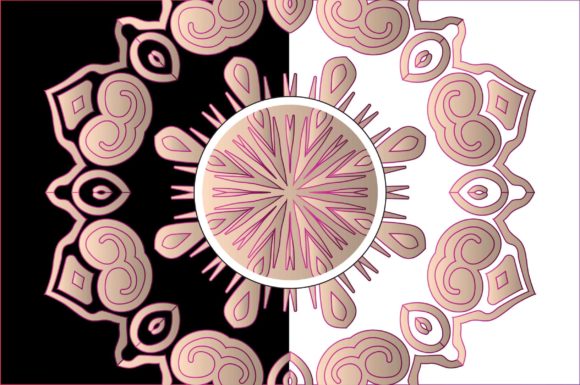
Mandala, derived from the Sanskrit word meaning "circle," refers to a symbolic representation often used in meditation and spiritual practices. Over time, this concept has transformed into a widely appreciated design style known for its symmetry, balance, and visual harmony. The Mandala Pattern Design typically features repetitive geometric shapes, floral motifs, and intricate lines that radiate outward from a central point.
What makes the Mandala Pattern Design unique is its ability to evoke a sense of calm and focus. The structured yet fluid nature of these patterns makes them ideal for both aesthetic and functional purposes. Whether used in art, textiles, or digital media, the Mandala Pattern Design offers a blend of beauty and symbolism that appeals to a broad audience.
Key Features and Characteristics
- Symmetry and Balance: Mandalas are designed with a strong emphasis on symmetry, creating a visually pleasing effect that resonates with the human eye.
- Repetition and Rhythm: The use of repeating elements adds depth and complexity to the design, making it engaging and dynamic.
- Cultural and Spiritual Significance: Many Mandala Pattern Designs carry deep cultural or spiritual meanings, adding layers of interpretation and value.
- Versatility: The adaptability of mandalas allows them to be applied across multiple mediums and styles, from traditional to modern.
Applications of Mandala Pattern Design
The versatility of the Mandala Pattern Design makes it suitable for a wide range of applications. From decorative items to functional products, this design can enhance the visual appeal and meaning of any project.
Decorative Uses
Mandala Pattern Design is frequently used in home decor, such as wall art, cushions, and rugs. Its intricate details add a touch of elegance and sophistication to any space. Additionally, mandalas are popular in jewelry design, where they are often incorporated into pendants, earrings, and bracelets.
Wedding Supplies
Couples looking to infuse their special day with personal and meaningful elements often turn to Mandala Pattern Design. From invitations and table settings to wedding favors, these designs can create a cohesive and memorable theme. The symbolic nature of mandalas also makes them an excellent choice for couples who want to express their love and unity through art.
Henna Paintings
In many cultures, henna art is an essential part of celebrations, particularly weddings. The Mandala Pattern Design is a popular choice for henna tattoos due to its intricate and detailed nature. These designs not only look beautiful but also hold cultural significance, making them a meaningful addition to the event.
Knits and Textiles
Textile artists and knitters often use Mandala Pattern Design to create unique and eye-catching garments and accessories. The pattern's symmetry and repetition make it ideal for knitting, crocheting, and embroidery projects. Whether it's a scarf, shawl, or blanket, the Mandala Pattern Design adds a distinctive flair to any textile creation.
Tablecloths and Home Accessories
Tablecloths, napkins, and other home accessories can benefit from the inclusion of Mandala Pattern Design. These items not only serve a practical purpose but also elevate the overall aesthetic of a space. The intricate details of mandalas can transform a simple table setting into a visually stunning display.
Who Benefits from Using Mandala Pattern Design?
The Mandala Pattern Design is beneficial for a variety of individuals and businesses. Artists, designers, and creators can leverage this design to add depth and meaning to their work. Business owners looking to differentiate their products or services may find the Mandala Pattern Design to be a valuable asset.
For example, a small business owner selling handmade crafts can use Mandala Pattern Design to create unique and appealing products that stand out in a competitive market. Similarly, event planners can incorporate these designs into wedding themes or other special occasions to create a memorable experience for their clients.
Strengths and Considerations
The Mandala Pattern Design offers several strengths, including its visual appeal, cultural significance, and adaptability. However, there are also considerations to keep in mind when using this design. One potential limitation is the complexity of the pattern, which may require more time and skill to execute effectively.
Additionally, while the Mandala Pattern Design is versatile, it may not be suitable for every project. For instance, a minimalist design may not complement the intricate nature of mandalas. It's important to evaluate the suitability of the design based on the specific needs and goals of the project.
Real-World Applications and Examples
There are numerous real-world examples of the Mandala Pattern Design being used effectively. In the fashion industry, designers have incorporated mandalas into clothing, accessories, and even footwear. These designs not only add visual interest but also reflect the wearer's personality and style.
In the realm of digital media, Mandala Pattern Design is often used in graphic design, web development, and social media content. The intricate and symmetrical nature of these patterns can enhance the visual appeal of websites, logos, and marketing materials.
How to Evaluate Suitability for Your Project
When considering the use of Mandala Pattern Design for your project, it's essential to assess several factors. First, determine the purpose of the design and whether it aligns with the intended message or theme. Next, consider the target audience and whether the design will resonate with them.
Additionally, evaluate the technical aspects of the design, such as the level of detail and the medium in which it will be used. For example, if you're planning to print the design, ensure that it is high-resolution and suitable for the chosen format.
If you're looking for a Mandala Pattern Design file, you can find options in various formats, including JPEG and AI files. These files allow for easy printing or cutting, making them ideal for a wide range of applications.