Batik Traditional Pattern and Its Role in Modern Textile Design
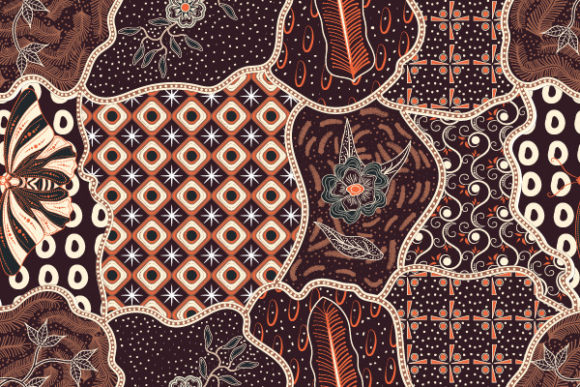
Batik traditional pattern is a centuries-old art form that has transcended time, finding its place in both cultural heritage and contemporary fashion. This intricate textile design, often created using wax-resist dyeing techniques, showcases a rich tapestry of symbolism, history, and craftsmanship. Today, batik designs are not only preserved in traditional attire but also adapted for modern applications such as clothing shirts, home decor, and accessories. The versatility of batik traditional pattern makes it an essential element in the world of textile design.
The Evolution of Batik Traditional Pattern
Originating from Indonesia, batik traditional pattern has deep roots in local culture and storytelling. Each pattern carries a unique meaning, often representing regional identity, social status, or spiritual beliefs. Over time, these patterns have evolved, influenced by trade, migration, and technological advancements. Today, designers use tools like Adobe Illustrator to recreate and innovate upon these traditional motifs, ensuring their relevance in the global market.
The process of creating batik traditional pattern involves meticulous hand-drawing and wax application, followed by multiple dyeing stages. However, with digital tools, artists can now replicate these complex designs with precision and efficiency. Files such as AI, JPEG, PNG, and EPS formats allow for easy integration into various projects, making it simpler to apply batik patterns across different mediums.
Key Characteristics of Batik Traditional Pattern
One of the defining features of batik traditional pattern is its intricate detailing. Unlike mass-produced textiles, batik designs often feature elaborate motifs such as floral patterns, geometric shapes, and abstract forms. These elements are carefully arranged to create visual harmony and balance. The use of color is also significant, with each hue carrying symbolic meaning within the culture it originates from.
Another characteristic is the texture of the fabric. Traditional batik is usually made on cotton or silk, which allows the dyes to penetrate deeply, resulting in vibrant and long-lasting colors. Modern adaptations may use synthetic fabrics, but the essence of the batik traditional pattern remains intact. Whether used for clothing shirts or home décor, the tactile quality of batik adds a layer of authenticity and sophistication.
Applications of Batik Traditional Pattern in Textile Design
Batik traditional pattern is widely used in textile design, offering a blend of tradition and modernity. In the fashion industry, batik prints are popular for shirts, skirts, and dresses, providing a unique aesthetic that stands out from mass-produced alternatives. The versatility of batik allows it to be paired with different styles, from casual wear to formal attire.
In addition to clothing, batik traditional pattern is used in interior design. From cushions and curtains to wall art, batik-inspired textiles add a touch of cultural flair to any space. The patterns can be scaled and adapted to fit different sizes and layouts, making them suitable for both small and large projects.
For designers, the availability of digital files such as AI, JPEG, PNG, and EPS makes it easier to incorporate batik traditional pattern into their work. These files can be edited, resized, and printed with high quality, ensuring that the final product meets professional standards.
Practical Benefits of Using Batik Traditional Pattern
One of the main advantages of batik traditional pattern is its ability to elevate the visual appeal of any design. The complexity and uniqueness of the patterns make them ideal for creating statement pieces that capture attention. Whether used in a single garment or as part of a larger collection, batik adds a level of depth and character that other prints may lack.
From a practical standpoint, batik traditional pattern is also durable. The dyeing process ensures that the colors remain vibrant even after multiple washes. This makes it a reliable choice for everyday use, especially in clothing items like shirts that require frequent laundering.
Moreover, batik traditional pattern supports sustainable practices. Many artisans still use natural dyes and handmade techniques, reducing the environmental impact compared to industrial textile production. For eco-conscious consumers, choosing batik products is a way to support ethical and environmentally friendly practices.
How to Incorporate Batik Traditional Pattern into Your Projects
If you're looking to use batik traditional pattern in your own work, there are several ways to approach it. Start by studying the different motifs and their meanings. Understanding the cultural context can help you make more informed design choices and avoid misrepresentation.
For digital projects, utilizing files such as AI, JPEG, PNG, and EPS can streamline the process. These formats allow for easy customization and high-resolution output, making them ideal for print or online use. When selecting a batik design, consider the scale, color palette, and overall style to ensure it aligns with your project’s goals.
When working with physical materials, pay attention to the fabric type and dyeing method. Cotton and silk are ideal for traditional batik, while synthetic fabrics may require different treatment. Testing the design on a small sample before full production can help identify any potential issues and ensure the desired outcome.
Choosing the Right Batik Traditional Pattern for Your Needs
When selecting a batik traditional pattern, it's important to consider the purpose of the design. For example, if you're creating a shirt, you might opt for a more subdued pattern that complements the rest of the outfit. On the other hand, a bold and colorful batik design could be perfect for a statement piece or accessory.
Additionally, think about the target audience. If your design is intended for a global market, you may want to choose a pattern that is widely recognized or adaptable to different tastes. For local or cultural events, a more traditional batik pattern may be more appropriate.
Finally, always verify the source of the batik traditional pattern. Supporting authentic artisans and designers ensures that the cultural significance of the pattern is respected and preserved. This also helps maintain the quality and integrity of the design.