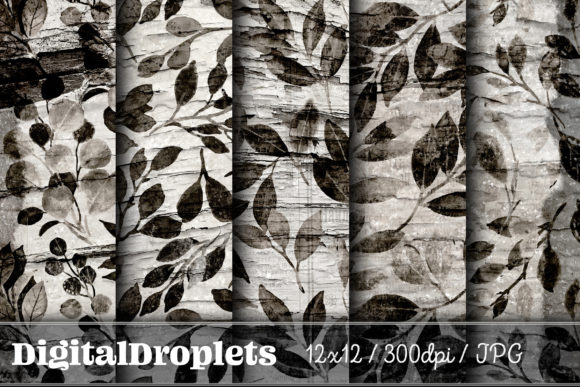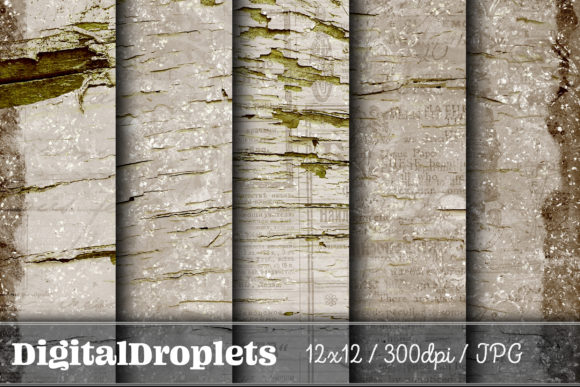
Clothing Texture Backgrounds: A Versatile Digital Resource for Creative Professionals and Design Enthusiasts
Texture carries meaning. In visual communication, the subtle grain of linen, the soft nap of velvet, the crisp weave of denim, or the delicate drape of silk instantly evoke tactile memory, cultural association, and emotional resonance. Clothing texture backgrounds harness this power—not as isolated fabric swatches, but as scalable, high-fidelity digital surfaces designed for real-world creative workflows. Unlike generic grunge or paper textures, these assets originate from authentic textile sources, capturing light interaction, fiber variation, and dimensional depth that synthetic patterns often lack.
Why Authentic Fabric-Based Textures Outperform Generic Alternatives
Many designers default to abstract noise layers or scanned handmade papers when seeking organic surface interest. While serviceable, those options rarely convey the nuanced language of apparel materials. A Clothing texture background preserves the inherent hierarchy of real cloth: the slight irregularity in a handwoven cotton, the directional sheen of satin, the compressed pile of corduroy under gentle pressure. This fidelity translates directly into credibility—whether you're crafting a luxury fashion brand’s Instagram carousel or designing educational print materials about textile history.
Consider a university lecturer preparing slides on 20th-century garment construction. Using a digitally rendered “fabric” texture may mislead students about material behavior. In contrast, a high-resolution clothing texture background sourced from actual mid-century wool crepe provides accurate visual reference for drape, weight, and surface reflection—supporting both aesthetic and pedagogical goals.
Practical Applications Across Diverse Creative Domains
The versatility of these digital papers lies not in theoretical flexibility, but in documented, repeatable utility across professional and personal contexts. Each JPEG file functions as a modular design layer—ready to integrate without complex masking or color correction.
Desktop and Mobile Wallpaper Design
Modern interface design increasingly embraces subtlety over saturation. A desktop background built from a muted charcoal-gray herringbone wool texture creates visual calm while maintaining sophistication—far more effective than solid-color fills for extended screen time. On mobile, scaled-down crops of a lightweight chambray texture provide just enough surface interest to prevent visual fatigue without competing with app icons or notifications.
Social Media Visual Strategy
Consistency in social feeds relies on cohesive tonal language—not identical templates. A set of clothing texture backgrounds in coordinated palettes (e.g., oatmeal linen, slate denim, heathered tweed) allows creators to maintain brand warmth and tactility across posts without repetition. A bakery account might use a soft, off-white canvas texture for recipe cards, then switch to a warm, nubby seersucker for seasonal promotion banners—same structural logic, distinct contextual resonance.
Scrapbooking and Print-Based Storytelling
Digital scrapbooking has evolved beyond clipart and glitter borders. Designers now seek archival-grade surface authenticity. These textures—delivered at 300 DPI and 4256 × 2832 pixels—retain integrity when printed at 12×12 inches or scaled down for pocket-page layouts. A vintage travel journal benefits from the faint slub of raw silk texture beneath scanned postcards; a baby memory book gains quiet elegance from a whisper-thin cashmere background behind milestone photos.
Product Mockups and E-Commerce Assets
Online retailers face persistent challenges in conveying fabric quality through screens. While photography remains essential, layered texture overlays in mockup templates add dimensional realism. Applying a subtle cotton-canvas Clothing Texture Background beneath a t-shirt design preview reinforces perceived breathability and comfort—psychologically reinforcing product claims before the customer even reads the description.
Technical Specifications That Enable Real-World Workflow Efficiency
This isn’t conceptual design—it’s production-ready infrastructure. Every file meets precise technical thresholds calibrated for professional output:
- RGB Color Mode: Ensures accurate on-screen rendering across devices—critical for social media previews, client presentations, and browser-based design tools.
- High Resolution (300 DPI): Supports sharp printing at common physical sizes—from business cards to wall-mounted posters—without pixelation or interpolation artifacts.
- JPEG Format: Universally compatible with Adobe Creative Cloud, Affinity Suite, Canva, Figma (via import), and even basic photo editors—no plugin dependencies or conversion delays.
- 4256 × 2832 Pixel Dimensions: Provides ample cropping flexibility. A single file can yield multiple aspect ratios: square (1:1) for Instagram posts, vertical (4:5) for Pinterest pins, or ultra-wide (16:9) for presentation headers—all while retaining usable resolution.
- UV Digital-Like Textures: Refers not to ultraviolet light, but to the visual effect of uniform, controlled luminance variation—mimicking how natural fabric reflects ambient light without harsh highlights or muddy shadows. This ensures seamless blending with typography and graphic elements.
User-Centered Customization Without Technical Barriers
“Easily customizable” isn’t marketing jargon—it describes a deliberate design philosophy. Because each background is delivered as a flat, high-res JPEG in RGB, users retain full control over application:
- Color Adjustment: Apply non-destructive hue/saturation or levels adjustments in Photoshop or GIMP to shift a navy twill into forest green or soften a black denim to charcoal—preserving texture integrity.
- Opacity & Blending Modes: Reduce opacity to 30% for watermark-like subtlety; overlay with Multiply mode to deepen text legibility on light fabrics; use Soft Light to enhance contrast on mid-tone weaves.
- Cropping & Repetition: Extract seamless tileable segments for web backgrounds or pattern-based UI elements. The consistent scale and lighting make manual tiling significantly more reliable than with uncurated stock photos.
- Layer Integration: Place beneath vector illustrations in Illustrator or Figma to ground flat graphics in tangible space—or use as clipping masks for photo collages in Canva.
Who Benefits—and How They Integrate These Assets
The value of Clothing texture backgrounds scales with user intent, not software proficiency. Here’s how distinct audiences apply them with measurable impact:
- Hobbyists and Educators: Use free-tier tools like Photopea or Canva to replace sterile white backgrounds in classroom handouts or craft project instructions—adding sensory context that improves information retention.
- Small Business Owners: Build cohesive brand kits without hiring designers. A café owner combines a warm, textured linen background with their logo and menu items in a single Canva document—exporting ready-to-print flyers, social banners, and email headers.
- Freelance Graphic Designers: Maintain a private library of these textures as base layers in template files—cutting client revision cycles by eliminating “make it feel more premium” requests.
- Researchers in Material Culture: Annotate historical textile scans with calibrated background references, enabling side-by-side visual analysis of weave density, dye absorption, and wear patterns across eras.
- Mobile App Developers: Export texture crops as static assets for onboarding screens or settings menus—adding tactile familiarity that reduces cognitive load during first-time use.
Thoughtful Considerations for Ethical and Effective Use
Even high-quality resources require intentional implementation. Three practical considerations ensure longevity and appropriateness:
- Contextual Alignment: A distressed burlap texture may reinforce rustic branding for a craft brewery but undermine trust for a financial advisory firm. Match texture character—softness, rigidity, formality—to domain expectations.
- Accessibility Compliance: Always test text contrast against applied backgrounds using WCAG 2.1 guidelines. A dark charcoal wool may require white type at minimum 18pt size for readability—not assumed, but verified.
- Licensing Clarity: As a digital download with no physical delivery, usage rights are defined by the license agreement—not implied. Most commercial licenses permit unlimited end-product use but prohibit reselling the textures themselves as standalone assets.
Ultimately, Clothing Texture Background assets succeed because they bridge abstraction and authenticity. They don’t ask users to imagine texture—they deliver its visual grammar, calibrated for precision, adaptable for purpose, and grounded in the material reality of cloth. Whether anchoring a doctoral thesis layout or adding quiet distinction to a weekend Instagram story, these files operate as silent collaborators in the work of making ideas visible, credible, and human.